
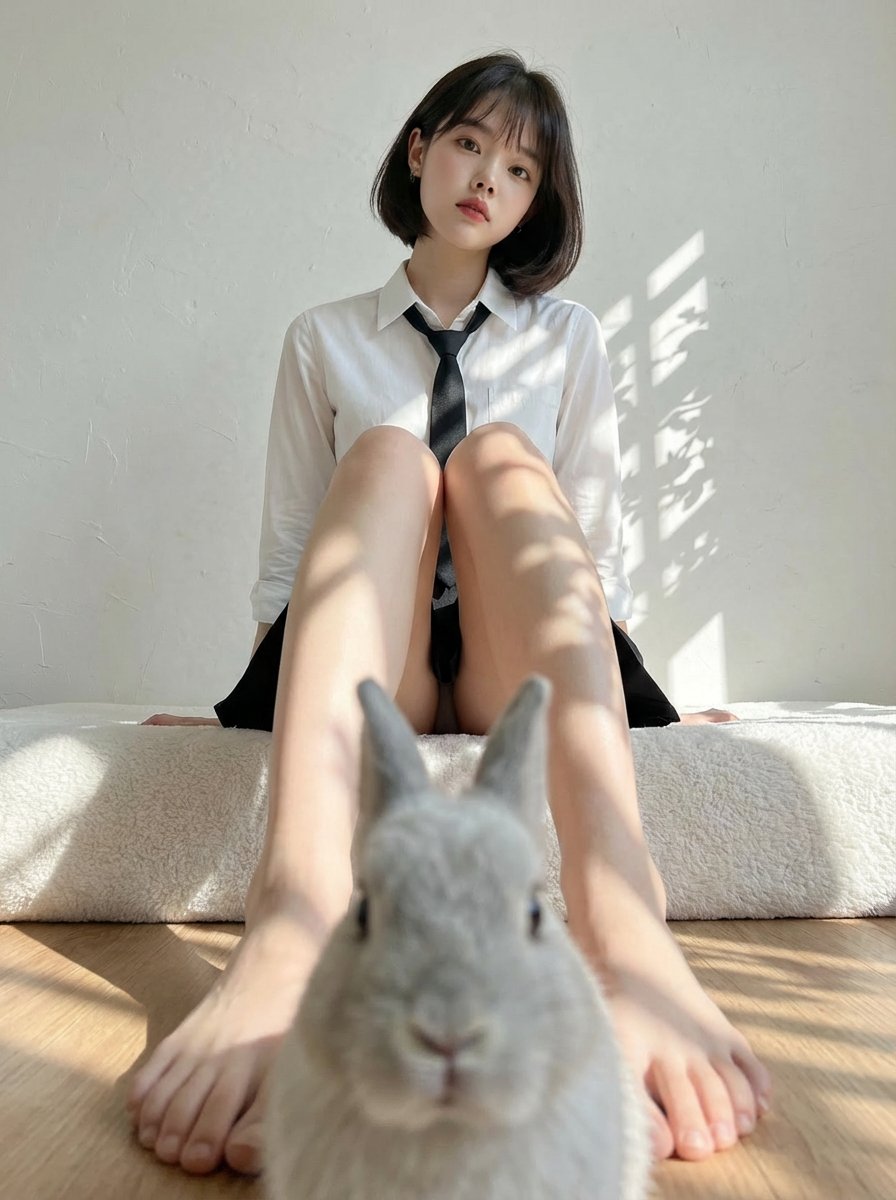
Create a zoom In On The Toes
How to zoom in on the toes
1
Times used
0
Likes
Unlocking Detail: A Deep Dive into the "Zoom In On The Toes" AI Art Style
In the vast and ever-evolving landscape of AI image generation, creators are constantly pushing the boundaries of what's possible. From sweeping fantasy landscapes to futuristic cityscapes, AI can bring nearly any vision to life. However, one of the most persistent challenges for AI models has been the accurate and detailed rendering of complex anatomy, particularly hands and feet. This is where specialized styles and meticulous prompting come into play. Today, we're focusing on a niche yet powerful technique: the Create a zoom In On The Toes style, a prompt designed to conquer the final frontier of AI anatomical detail.
Whether you're a digital artist perfecting a character, a designer mocking up a footwear concept, or simply a creative explorer fascinated by photorealism, mastering the art of the close-up is essential. This guide will walk you through everything you need to know about this specific style, from basic prompting to advanced techniques, and show you how Orno's powerful AI image editor makes achieving breathtakingly detailed results easier than ever before.
What Exactly is the "Zoom In On The Toes" Style?
The "Zoom In On The Toes" style is more than just a simple command; it's a dedicated approach to AI image generation that instructs the model to focus intently on creating a detailed, macro-level view of toes and feet. It moves beyond a full-body or portrait shot, where feet might be an afterthought (and often rendered poorly), and makes them the central subject of the composition. The goal is to generate an image that captures the subtle textures, shapes, and details that define this part of the human form.
The Core Elements of the Style:
- Macro Focus: The style emulates macro photography, highlighting intricate details like skin texture, nail cuticles, and the delicate curvature of each toe.
- Anatomical Accuracy: A key objective is to overcome the common AI pitfall of generating malformed feet. This style prioritizes correct anatomy, from the number of toes to their natural placement and proportion.
- Artistic Control: It allows for immense artistic freedom. You can dictate the environment (sandy beaches, polished floors), the condition (perfectly pedicured, weathered and natural), and the overall aesthetic (hyperrealistic, painterly, stylized).
- Compositional Power: By focusing on such a specific detail, you can create unique and compelling compositions that draw the viewer's eye and tell a story in a non-traditional way.
Why AI Creators are Obsessed with Detailing Feet and Toes
The focus on generating perfect feet and toes might seem niche, but it represents a significant benchmark in the progress of AI art. For years, the "AI can't do hands" meme has been a running joke in the community, with feet being a close second. Successfully rendering them is a testament to the sophistication of the AI model and the skill of the prompt engineer.
This pursuit of perfection has practical applications across various industries. Product designers for footwear brands can visualize their designs in realistic settings. Medical illustrators can create accurate diagrams for podiatry and anatomy students. Stock photographers can generate unique, royalty-free images for blogs and articles on foot care, fashion, or travel. For digital artists, it's about completeness—creating a character from head to toe without any weak points in the final render.
How to Generate Perfect Toe Close-Ups with Orno
While you could spend hours battling complex prompts and negative embeddings, Orno streamlines this entire process. Our platform has a dedicated "Create a zoom In On The Toes" style that intelligently applies the necessary parameters to give you a head start on creating stunning, accurate images. Here’s how you can master it.
Step 1: Start with a Clear and Descriptive Base Prompt
Before even selecting the style, you need a solid foundation. Your base prompt should describe the core scene and subject. Be specific. Instead of just "feet," think about the context.
Good starting prompts:
- "A close-up, macro shot of a woman's toes wiggling in the white sand of a tropical beach."
- "Overhead view of a man's bare feet standing on a wet, dark wooden deck after the rain."
- "Detailed photograph of perfectly pedicured toes with glossy red nail polish, resting on a white silk sheet."
Step 2: Select the "Create a zoom In On The Toes" Style in Orno
This is where the magic happens. Navigate to Orno's style library and select our "Zoom In On The Toes" preset. By applying this style, Orno automatically enhances your prompt behind the scenes. It adds specific keywords that encourage anatomical accuracy, tight framing, and high detail. It also incorporates a carefully curated set of negative prompts to actively prevent common AI errors like extra or missing toes, distorted shapes, and unnatural skin textures. This one click saves you immense time and frustration.
Step 3: Layer on Modifiers for a Unique Aesthetic
With Orno handling the technical accuracy, you can focus on the creative direction. Add keywords and phrases to your prompt to refine the image's mood, lighting, and style.
Lighting Modifiers:
- For warmth and softness: "golden hour lighting," "soft morning light," "candlelit."
- For drama and definition: "dramatic side lighting," "cinematic lighting," "hard shadows," "rim lighting."
- For a clean, commercial look: "softbox studio lighting," "bright and airy."
Artistic & Photographic Styles:
- For realism: "photorealistic," "hyperdetailed," "8k UHD," "shot on a Sony A7IV with a 90mm macro lens."
- For a classic feel: "vintage film photo," "Kodak Portra 400," "black and white."
- For an artistic interpretation: "impressionist oil painting," "delicate watercolor sketch," "anime style close-up."
Environmental and Textural Details:
- Add sensory details: "glistening with water droplets," "dusted with fine sand," "wrinkled skin texture," "smooth, moisturized skin."
- Define the surroundings: "on cool green grass," "peeking out from a cozy wool blanket," "submerged in clear, shallow water."
Step 4: Iterate and Perfect Your Creation
Your first generation will likely be impressive, but don't stop there. AI generation is an iterative process. See what the AI produced and think about how you can refine your prompt. Was the lighting too harsh? Add "soft lighting." Is the angle not quite right? Try adding "low-angle shot" or "top-down view." Use Orno's powerful in-app editing tools, such as Inpainting or Upscaling, to fix minor imperfections or enhance the resolution of your final masterpiece.
Advanced Techniques for Flawless AI Foot Generation
For those who want to push the envelope even further, here are some advanced concepts to incorporate into your workflow.
Leveraging Camera and Lens Specifications
Treat the AI like a virtual photographer. Specifying camera models and lenses can significantly influence the final image's aesthetic. Phrases like "shallow depth of field" or "bokeh background" will create a beautiful, professional-looking blur that makes your subject pop. Mentioning a "macro lens" explicitly reinforces the close-up, high-detail nature of the shot you desire.
The Power of Precise Anatomical Language
While Orno's style preset helps immensely, you can guide the AI even more effectively by using more technical terms. Instead of "toenail," try "toenail cuticle" or "lunula of the toenail." Mentioning the "arch of the foot" or the "ball of the foot" can help the AI better understand the form and structure you're aiming for, leading to more realistic and nuanced results.
Why Orno is the Ultimate Tool for Detailed AI Art
Creating highly specific and detailed images like close-ups of toes requires an AI tool that is both powerful and intuitive. Orno is designed from the ground up to empower creators, not frustrate them.
Our pre-built style library, featuring the "Create a zoom In On The Toes" style, is a game-changer. It democratizes complex prompt engineering, allowing both beginners and experts to achieve professional-grade results with a single click. You don't need to memorize long lists of negative prompts or technical keywords; we've done the heavy lifting for you. This allows you to stay in your creative flow, focusing on your vision rather than wrestling with the AI.
Combine this with our user-friendly interface, rapid generation speeds, and integrated suite of editing tools, and you have the most effective platform for bringing your most detailed and ambitious artistic visions to life. Try Orno today and experience the future of creative control.
Frequently Asked Questions (FAQ)
Why is it so hard for AI to generate feet and toes correctly?
AI models learn from vast datasets of images. In many of these images, feet are often obscured, small, or out of focus (e.g., in portraits or landscape photos). This lack of clear, high-quality data makes it difficult for the AI to learn the complex and varied anatomy of feet, often resulting in misshapen or incorrect renderings. This is why specialized prompts and styles are so crucial.
What are the best keywords for generating realistic toes?
Beyond the base description, focus on texture and lighting. Keywords like "hyperrealistic," "photorealistic," "detailed skin texture," "sharp focus," "macro photography," "8k," and "UHD" push the AI towards realism. Combining these with specific lighting prompts like "soft natural lighting" or "cinematic lighting" will produce the most believable results.
Can I use the "Zoom In On The Toes" style for fantasy or non-human characters?
Absolutely! The style provides a strong anatomical and compositional foundation. You can easily adapt it by adding descriptive terms to your prompt, such as "close-up on the talons of a dragon," "detailed shot of a cyborg's metallic toes," or "macro view of a fairy's feet resting on a mushroom." The core principles of focus and detail remain the same.
How does Orno's "Zoom In On The Toes" style improve accuracy?
Orno's style acts as an intelligent prompt enhancer. When you select it, our system automatically appends a set of optimized positive and negative prompts to your request. These hidden prompts guide the AI to focus on correct anatomy, avoid common mutations (like too many or too few toes), and render textures with high fidelity. It essentially automates the advanced prompt engineering process for you.
Is it free to use the "Zoom In On The Toes" style in Orno?
Yes, the "Create a zoom In On The Toes" style is available as part of our extensive style library for all Orno users. You can explore this and many other unique styles to enhance your AI image generations. Simply sign up for Orno to start creating today!
Use This Prompt
Transform your images with AI
Save this prompt as its own icon for one-tap access.