
Create a seattle Coffee Shop A Candid
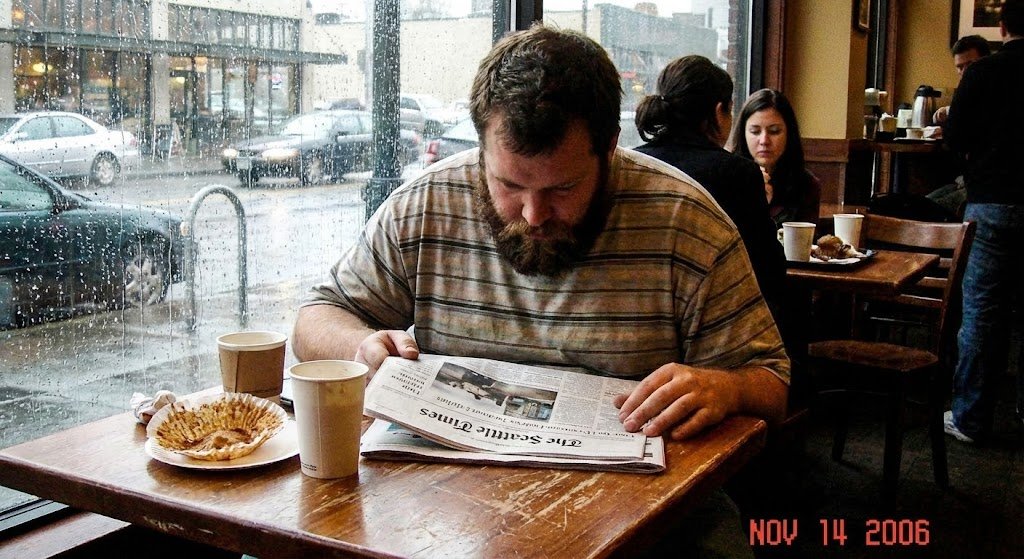
How to seattle Coffee Shop A candid digital photo from 2006 shows a man with a beard and a striped shirt reading a newspaper at a worn wooden table.
0
Times used
0
Likes
The Art of Nostalgia: A Deep Dive into the "Seattle Coffee Shop A Candid" AI Style
There's a specific kind of magic captured in a photograph from the mid-2000s. It’s not the crisp, perfect high-definition of today, nor is it the grainy, analog warmth of film. It's the unique aesthetic of the early digital era—a time of transition, mood, and a distinct visual texture. Imagine a rainy Tuesday morning in 2006. The air is thick with the smell of roasted coffee beans and damp pavement. Inside a cozy Seattle café, a man with a beard, lost in the day's newspaper, is bathed in the soft, diffused light from a large window. This is more than just an image; it's a story, a feeling, a moment frozen in time. Capturing this exact vibe is the genius behind the "Create a seattle Coffee Shop A Candid" style, a powerful prompt available exclusively in the Orno AI image editor. This article will explore the intricate details of this evocative style, showing you how to master it and unlock a new realm of creative, narrative-driven AI image generation.
Unpacking the "Seattle Coffee Shop A Candid" Prompt
The beauty of a great AI prompt lies in its specificity. Each word is a command, a brushstroke that guides the artificial intelligence to paint a precise picture. The full prompt, "How to seattle Coffee Shop A candid digital photo from 2006 shows a man with a beard and a striped shirt reading a newspaper at a worn wooden table," is a masterclass in AI prompt engineering. Let's break down its core components to understand how they work together to create such a compelling and atmospheric result.
The Power of Place: Why Seattle?
The word "Seattle" is the anchor of this entire aesthetic. It does more than just set a geographical location; it summons a whole cultural and visual lexicon. When the Orno AI processes "Seattle," it taps into a vast dataset associated with the city: the iconic coffee culture, the grunge movement of the 90s, the moody, often overcast weather of the Pacific Northwest. This single word influences the generated image in several key ways:
- Lighting: Expect soft, diffused, and often cool-toned light, mimicking a cloudy day. You'll rarely get harsh, direct sunlight with this prompt.
- Atmosphere: The AI generates a sense of coziness and introspection. It’s the visual equivalent of a lo-fi indie playlist.
- Decor: The interiors will likely feature dark woods, exposed brick, and a generally worn-in, comfortable look, avoiding the sleek, minimalist design of modern cafes.
"A Candid": The Art of Authenticity
The term "candid" is crucial for achieving a realistic, unposed feel. In photography, a candid shot captures a subject who is unaware of the camera, resulting in a natural and genuine moment. By including "candid" in the prompt, you are explicitly telling the Orno AI to avoid creating a staged portrait. The subject won't be smiling at the camera; they will be engaged in an activity, lost in their own world. This creates a powerful sense of voyeurism and storytelling, as if you, the viewer, have just stumbled upon this quiet, authentic scene. It’s the key to making AI-generated people feel less like digital models and more like real human beings.
The 2006 Digital Photo Aesthetic
This is perhaps the most technically nuanced part of the prompt. Specifying "digital photo from 2006" instructs the AI to replicate the technological limitations and quirks of early-to-mid-2000s digital cameras. This isn't just about adding a "vintage" filter; it's about recreating a specific technological fingerprint. Orno's advanced model understands this to mean:
- Color Science: The color palette will often be slightly less vibrant than modern photos, sometimes with a subtle color cast (a slight shift towards green or magenta in the shadows), characteristic of CCD sensors common in that era.
- Digital Noise: Instead of the organic grain of film, the AI will introduce a fine, sometimes chromatic, digital noise, especially noticeable in the darker areas of the image.
- Sharpness and Resolution: The images will lack the hyper-sharpness of today's cameras. Edges will be a little softer, and the overall resolution will feel lower, adding to the authenticity.
- Dynamic Range: The range between the darkest blacks and brightest whites will be more limited. Highlights might be slightly blown out, a common trait of point-and-shoot cameras from 2006.
Crafting a Narrative: The Details Matter
The final elements—"a man with a beard," "a striped shirt," "reading a newspaper," at a "worn wooden table"—are the narrative building blocks. These details ground the scene in reality. A "worn wooden table" tells a story of countless coffees and conversations. A "newspaper" firmly places the scene in a pre-smartphone era, enhancing the nostalgic feel. A "striped shirt" adds a simple, classic visual element that feels timeless yet specific. These carefully chosen details work together to create not just an image, but a complete, believable moment.
How to Master the Seattle Coffee Shop Vibe with Orno
Now that you understand the theory, it's time to put it into practice. The Orno AI image editor makes it incredibly easy to not only generate the base style but also to customize it and make it your own. This style is not a rigid rule, but a fantastic, flexible template for your creativity.
Starting with the Base Prompt
Your first step is simple: copy and paste the full prompt into Orno. This will give you a baseline understanding of how the AI interprets these instructions. You'll instantly get a feel for the lighting, the mood, and the 2006 aesthetic. Pay attention to the details the AI generates—the type of coffee cup, the decor on the walls, the expression on the man's face. This is your foundation.
Customizing and Experimenting for Unique Results
The real fun begins when you start to tweak the variables. Think of the prompt as a recipe and yourself as the chef. Change an ingredient, and you change the entire dish. Here are some ideas to get you started:
- Change the Subject: Replace "a man with a beard" with "a young woman with glasses," "two friends laughing," or "a barista cleaning the counter."
- Change the Action: Swap "reading a newspaper" for "writing in a journal," "typing on an old laptop," "sketching in a notebook," or "staring out the window at the rain."
- Change the Era: See how the aesthetic shifts by changing the year. Try "from 1998" for an earlier, grainier digital look, or "from 2010" for a slightly more refined image.
- Change the Location: While "Seattle" is key to this specific vibe, try "a Brooklyn diner," "a Parisian café," or "a Tokyo kissaten" to see how the AI adapts the environment, lighting, and culture.
- Add Adjectives: Add words like "cluttered," "minimalist," "sun-drenched" (a fun contradiction to the Seattle vibe), or "moody" to further direct the AI's creative process.
Pro Tips for Hyper-Realistic Results
If you want to push the realism even further, add technical photography terms to your prompt. Orno's AI is sophisticated enough to understand camera-specific language. For instance, try adding phrases like:
- "shot on a Canon PowerShot S50"
- "point-and-shoot camera aesthetic"
- "harsh direct flash"
- "slight motion blur"
- "35mm focal length"
These technical specifiers can refine the output, giving you an image that looks almost indistinguishable from a genuine photograph taken on the specific equipment of the era.
Creative Applications for the "Seattle Coffee Shop" Style
The utility of this AI-generated style extends far beyond simple experimentation. The unique, royalty-free images you create with Orno can serve a multitude of practical and creative purposes:
- For Bloggers & Content Creators: Generate perfectly themed, moody, and authentic-looking hero images for articles about coffee, creativity, nostalgia, or travel. Create a consistent, atmospheric look for your social media feed.
- For Musicians & Artists: This style is perfect for creating album art for indie, folk, grunge, or lo-fi musicians. Use the images for promotional materials, tour posters, or social media announcements.
- For Writers & Storytellers: Overcome writer's block by generating visual inspiration. Create concept art for your characters or settings to help you visualize the world you're building.
- For Designers & Marketers: Build a visual brand identity around authenticity and nostalgia. Use these images in presentations or marketing campaigns to evoke a feeling of comfort, quality, and timelessness.
Why Orno is Your Go-To for Nostalgic AI Image Generation
While many text-to-image tools exist, Orno excels at interpreting nuanced, narrative-driven prompts like the "Seattle Coffee Shop A Candid" style. Our AI model has been meticulously fine-tuned to understand not just words, but the context, culture, and emotion behind them. Orno recognizes the subtle differences between a "photo from 2006" and a "photo from 1986," and it renders these historical aesthetics with stunning accuracy. Combined with a clean, user-friendly interface that encourages exploration and iteration, Orno is the ultimate AI-powered creative tool for anyone looking to generate truly realistic, evocative, and story-rich imagery.
Frequently Asked Questions (FAQ)
Can I use this style to create images of women or different subjects?
Absolutely. The original prompt is merely a starting point. We highly encourage you to modify the subject. Simply change "a man with a beard" to any description you can imagine, such as "a woman with curly hair," "an elderly couple," or "a person with headphones." The AI will adapt the scene while maintaining the core "Seattle Coffee Shop" aesthetic.
What makes the "2006" year so specific in the AI's output?
The year 2006 represents a very specific moment in the history of digital photography. Cameras from this period had distinct characteristics, such as lower megapixel counts, specific CCD sensors that rendered color differently than modern CMOS sensors, and a particular quality of digital noise. By specifying "2006," you are telling the Orno AI to simulate these technical attributes, resulting in an image that feels authentically of its time, rather than a modern photo with a simple vintage filter applied.
Do I need to be an expert in prompt engineering to use this style in Orno?
Not at all. The "Seattle Coffee Shop A Candid" style is designed to be a powerful, ready-to-use template. You can use the prompt exactly as it is and get fantastic results. Orno is built for users of all skill levels. As you become more comfortable, you can start experimenting with small changes, as we suggested above. The intuitive nature of the tool makes learning prompt engineering a fun and creative process.
Are the images I generate with Orno free to use?
Yes. The images you create using Orno are yours to use for both personal and commercial projects, in accordance with our terms of service. This means you can use them for your blog, your business's social media, album art, or any other creative endeavor without worrying about licensing fees or attribution.
How does Orno's AI differ from other text-to-image generators?
Orno places a special emphasis on realism, photorealism, and the accurate rendering of specific aesthetics. Our AI model is deeply trained on the nuances of photographic history, lighting techniques, and composition. This allows it to excel at complex, descriptive prompts like this one, delivering results that are not only visually stunning but also contextually and emotionally resonant. If your goal is to create images that look and feel like real photographs, Orno is the superior choice.
Ready to step back in time and create your own authentic moments? Dive into the Orno AI image editor, try the "Create a seattle Coffee Shop A Candid" style today, and start generating your own unique, story-rich images.
Use This Prompt
Transform your images with AI
Save this prompt as its own icon for one-tap access.