
Create a created With Nano Banana Pro
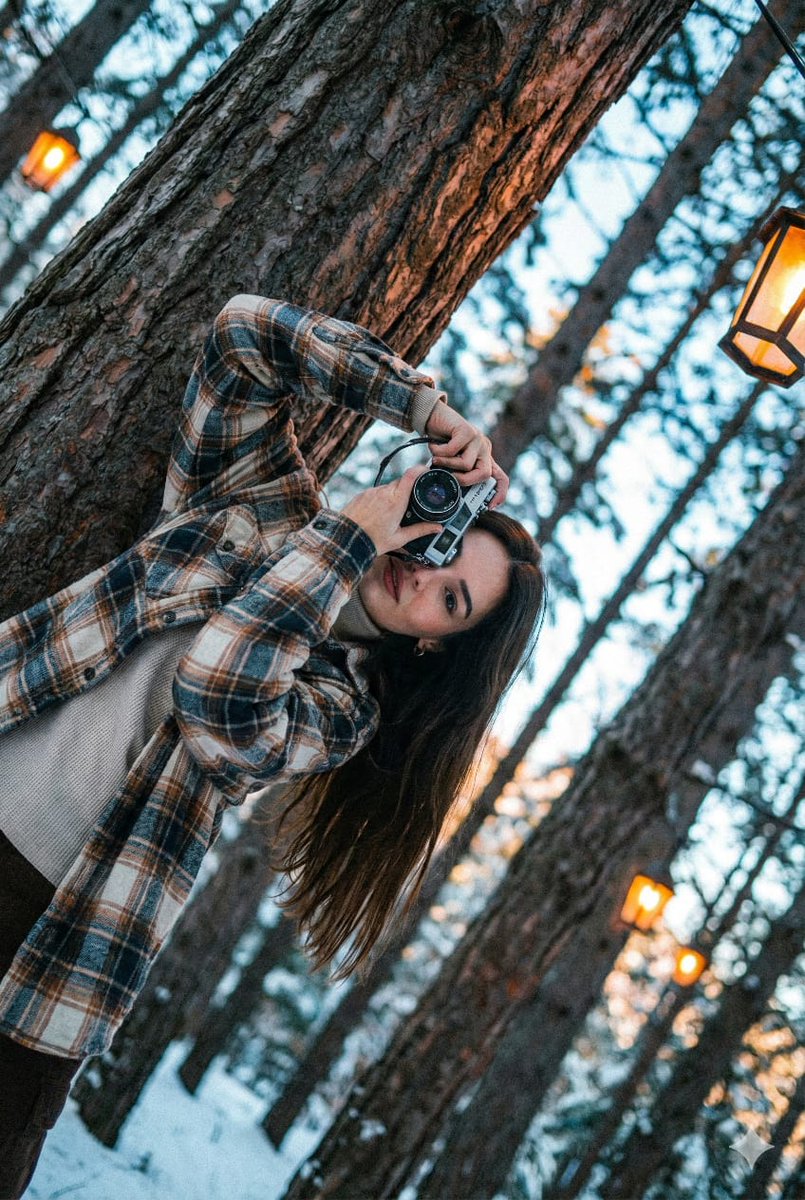
How to created with nano banana pro: Cinematic high grain 90s portrait Dutch angle tilted shot, 23-year-old woman leaning against tree taking picture...
0
Times used
0
Likes
Unlocking Nostalgia: A Deep Dive into the "created With Nano Banana Pro" AI Image Style
In the vast, ever-expanding universe of AI image generation, certain styles emerge that do more than just create a picture; they evoke a feeling, a memory, an entire era. The "created With Nano Banana Pro" style is one such phenomenon. It’s not just a prompt; it's a time machine, transporting you back to the gritty, authentic, and effortlessly cool aesthetic of the 1990s. This cinematic, high-grain style has captured the imagination of digital artists and creators, and with the power of Orno's AI image editor, you can master it.
This detailed guide will break down the DNA of the "Nano Banana Pro" prompt, explore its core components, and show you how to leverage Orno to create stunning, unique visuals that feel like they were pulled straight from a 90s indie film. Whether you're a seasoned prompt engineer or a curious newcomer to AI art, prepare to unlock a new level of creative expression.
Deconstructing the Vibe: What Makes "created With Nano Banana Pro" So Special?
The magic of this style lies in its specific, evocative combination of keywords. The base prompt, "Cinematic high grain 90s portrait Dutch angle tilted shot...", is a carefully crafted recipe for visual nostalgia. Each ingredient plays a crucial role in the final output. Let's break down these key elements to understand the art behind the AI.
Cinematic High Grain: The Soul of the Analog Era
Before the crystal-clear perfection of digital sensors, there was film. And film has grain. The "high grain" component of this prompt is perhaps its most important feature. Film grain refers to the small, random texture of metallic silver particles on processed film. In the 90s, this wasn't seen as an imperfection; it was part of the medium's character. It added texture, depth, and a tangible, organic quality to an image.
When you use "cinematic high grain" in Orno, you're instructing the AI to move beyond a clean, digital look. You’re asking for:
- Texture and Depth: The grain adds a layer of complexity that makes the image feel more physical and less sterile.
- Nostalgia and Authenticity: Our brains associate film grain with old photographs and classic movies, instantly triggering a sense of nostalgia and perceived authenticity.
- A Moody Atmosphere: High grain can soften focus slightly and deepen shadows, contributing to a moodier, more atmospheric and cinematic feel, reminiscent of 90s thrillers or dramas by directors like David Fincher or Quentin Tarantino.
The 90s Portrait: Capturing an Attitude
The "90s portrait" is more than just a picture of a person from that decade. It represents a specific photographic style. Unlike the polished, brightly-lit studio portraits of the 80s, 90s portraiture was often more raw, candid, and introspective. Think of the iconic work of photographers like Corinne Day or Juergen Teller. This prompt element tells the Orno AI to generate images with:
- Candid Poses: Subjects are often not looking directly at the camera. They might be caught mid-action, looking away thoughtfully, or interacting with their environment, like the prompt's "leaning against tree taking picture."
- Subdued or Natural Lighting: Forget perfect three-point lighting. This style often embraces harsh flash, soft window light, or the ambient glow of a city street, creating dramatic shadows and a more realistic feel.
- Era-Specific Aesthetics: The AI will often incorporate 90s fashion (flannel, denim, band tees), hairstyles (the "Rachel" cut, center parts), and a general sense of understated coolness.
Dutch Angle Tilted Shot: Engineering Drama and Disruption
This is the secret sauce that elevates the "Nano Banana Pro" style from a simple retro photo to a dynamic piece of art. The Dutch angle, also known as a canted or oblique angle, is a cinematic technique where the camera is deliberately tilted on its axis. This creates a disorienting, unsettling, or dynamic effect. In the 90s, it was a staple in music videos, action movies, and thrillers to convey energy, tension, or psychological unease.
By including "Dutch angle tilted shot" in your prompt, you inject a powerful sense of movement and narrative into a static image. It breaks the visual rules of a standard, level horizon, making the composition immediately more interesting and engaging. It tells the viewer that this isn't just a passive scene; something is happening. Orno’s AI understands this compositional instruction, skillfully tilting the frame to add that signature off-kilter dynamism.
How to Master "created With Nano Banana Pro" in Orno
Now that you understand the theory, let's get practical. Using this style in the Orno AI image editor is a gateway to endless creative possibilities. The base prompt is your launchpad, not your limitation.
Start by entering the core prompt into Orno:
Cinematic high grain 90s portrait Dutch angle tilted shot, 23-year-old woman leaning against tree taking picture
You’ll get a fantastic result that perfectly captures the style. But the real fun begins when you start to customize it. This is where the art of prompt engineering comes into play.
Customizing Your Vision: Prompt Engineering Tips
Think of the prompt as a set of instructions you can modify. Change one or two elements at a time to see how they affect the outcome. Here are some ideas to get you started:
- Change the Subject and Action: Swap out "23-year-old woman leaning against tree taking picture" with more specific or different subjects.
- Example: "a moody musician with a guitar sitting on an amplifier"
- Example: "two friends laughing on a subway platform at night"
- Example: "a pensive man in a leather jacket looking out a rain-streaked window"
- Define the Setting: The environment is a powerful storytelling tool. Be specific about where your scene takes place.
- Example: "in a cluttered, dimly lit bedroom with band posters on the wall"
- Example: "on a deserted highway at dusk, lit by car headlights"
- Example: "in a retro-futuristic arcade with neon lights"
- Specify the Lighting and Color: Control the mood by adding lighting and color keywords. This can dramatically alter the feel of your image.
- Example: "harsh direct flash photography, desaturated colors"
- Example: "golden hour sunlight filtering through blinds, warm tones"
- Example: "moody blue and pink neon lighting"
- Add More 90s Details: To really lean into the aesthetic, add specific cultural touchstones from the era.
- Example: "wearing a worn-out Nirvana t-shirt and ripped jeans"
- Example: "holding a clunky 90s video camera"
- Example: "with a walkman and headphones"
Why Orno is the Ultimate Tool for This AI Style
While many text-to-image platforms can generate pictures, Orno is uniquely suited for nuanced, stylistic prompts like "created With Nano Banana Pro." Our AI model has been trained on a massive and diverse dataset that allows it to understand not just objects, but also abstract concepts like "mood," "era," and "cinematic technique."
With Orno, you benefit from:
- Superior Textural Rendering: Our AI doesn't just "add noise" for film grain. It intelligently integrates the texture into the image's lighting and shadows for a believable, analog effect.
- Advanced Compositional Understanding: Orno accurately interprets complex instructions like "Dutch angle" and "tilted shot," creating compositions that are both technically correct and artistically compelling.
- High-Fidelity Detail: From the specific weave of a denim jacket to the subtle expressions on a subject's face, Orno generates high-resolution images that hold up to scrutiny.
- Speed and Ease of Use: You don't need to be a technical wizard to get incredible results. Our intuitive interface allows you to quickly generate, iterate, and refine your ideas, turning your creative vision into a stunning reality in seconds.
Frequently Asked Questions (FAQ)
What exactly is the "created With Nano Banana Pro" style?
It's a popular AI image generation prompt style that combines the key elements of a "cinematic high grain 90s portrait" with a "Dutch angle tilted shot." This unique fusion creates dynamic, moody, and nostalgic images that mimic the look and feel of 90s independent film and photography. It's a style defined by its analog texture, candid mood, and dramatic composition.
Do I need to use the exact prompt every time in Orno?
Not at all! The base prompt is a fantastic starting point, but its true power is as a template for your own creativity. We highly encourage you to experiment by changing the subject, setting, action, lighting, and other details. Use the core elements—"cinematic high grain," "90s," and "Dutch angle"—as your foundation and build your unique scene on top of it.
Why does this style use a "Dutch angle"?
The Dutch angle is a deliberate artistic choice to inject energy and a sense of unease or dynamism into the image. It was a popular technique in 90s filmmaking (think Pulp Fiction or music videos from the era) to make shots more visually exciting. In AI art, it instantly breaks the mold of a standard portrait and adds a layer of narrative tension or cool, off-kilter style.
Can I create images other than portraits with this style?
Absolutely. While the style is named "90s portrait," its core components are incredibly versatile. Try applying them to different subjects. For example, a prompt like "Cinematic high grain 90s Dutch angle shot of a deserted gas station at night" or "…of a lonely city street in the rain" can produce incredibly atmospheric and compelling scenes using the same aesthetic principles.
Is Orno's AI good at creating a realistic film grain effect?
Yes, this is one of Orno's strengths. Our AI image editor is tuned to understand and replicate the nuances of analog media. It generates a film grain that interacts with the light and color of the image, resulting in an authentic texture that feels integrated and organic, rather than a simple filter applied on top.
How can I make my results look even more authentically 90s?
To enhance the 90s vibe, add more specific keywords related to the era's culture and fashion into your Orno prompt. Try including terms like "flannel shirt," "Doc Martens," "skater style," "grunge aesthetic," "CD player," or "disposable camera photo" to guide the AI toward an even more specific and authentic result.
Start Creating Your 90s Masterpiece Today
The "created With Nano Banana Pro" style is more than a fleeting trend; it's a testament to the power of AI to resurrect and reinterpret timeless aesthetics. It offers a rich visual language of nostalgia, drama, and authenticity. By understanding its core components and unleashing your creativity with prompt engineering, you can produce truly unique and captivating artwork.
There's no better platform to explore this style than Orno. Our powerful and intuitive AI image editor gives you the control and quality you need to bring your most ambitious creative ideas to life. Dive in, experiment, and start generating your own cinematic 90s classics. The director's chair is yours.
Use This Prompt
Transform your images with AI
Save this prompt as its own icon for one-tap access.