
Create a A High-quality Photorealistic Portrait
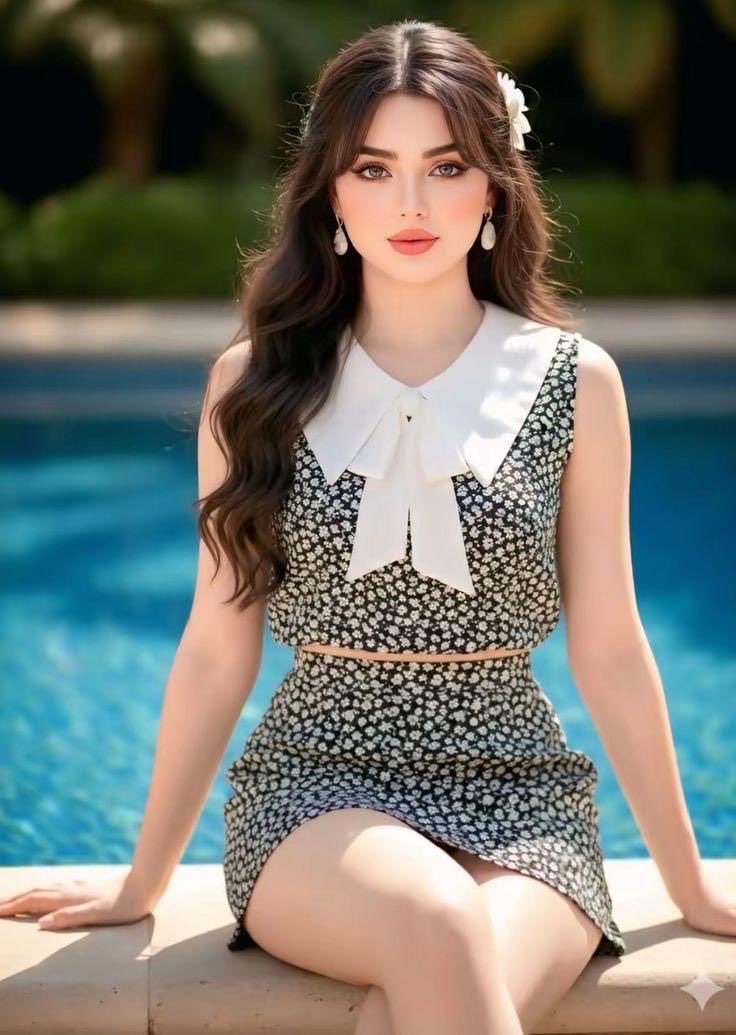
How to A high-quality photorealistic portrait of a young woman sitting on the edge of a swimming pool on a sunny day.
0
Times used
0
Likes
Unlocking Reality: A Deep Dive into Creating High-Quality Photorealistic Portraits with AI
Imagine the power to create a stunning, lifelike portrait that rivals a professional photograph, using only your words. This isn't science fiction; it's the reality of modern AI image generation. One of the most sought-after and impressive feats in this field is the creation of high-quality photorealistic portraits. These aren't just digital drawings; they are intricate simulations of reality, complete with nuanced lighting, lifelike textures, and believable human expressions. In this guide, we'll explore the art and science behind crafting the perfect photorealistic portrait using Orno, your ultimate AI image editor. We will deconstruct the powerful prompt style, "A high-quality photorealistic portrait of a young woman sitting on the edge of a swimming pool on a sunny day," to reveal the secrets of turning text into breathtaking visual art.
What Exactly Is a "Photorealistic Portrait" in AI?
In the realm of AI art, "photorealistic" is a term that signifies the pinnacle of realism. It goes far beyond simply creating an image that looks "real." A true photorealistic AI portrait aims to replicate the specific characteristics of a high-end photograph. This includes:
- Accurate Lighting and Shadows: How light interacts with the subject and the environment, creating soft highlights, deep shadows, and subtle reflections.
- Complex Textures: The intricate details of skin pores, the fine threads of fabric, the subtle ripples on water, and the texture of hair.
- Depth of Field: Mimicking a real camera lens, where the subject is in sharp focus while the background is softly blurred (an effect known as bokeh), drawing the viewer's eye.
- Believable Anatomy and Expression: Creating a human subject that is anatomically correct, with an expression that conveys a genuine emotion or mood.
- Color Grading and Composition: Applying principles of photography to create a balanced, visually appealing image with a specific color palette and mood.
Achieving this level of detail requires a sophisticated AI model, like the one powering Orno. Our platform is finely tuned to understand the subtle nuances of language that translate into these complex visual elements, making it the ideal tool for both beginners and professional artists aiming for hyperrealism.
Deconstructing the Master Prompt: A Step-by-Step Guide
Let's break down our example prompt—"A high-quality photorealistic portrait of a young woman sitting on the edge of a swimming pool on a sunny day"—to understand why it works so well. Each component is a crucial instruction for the AI.
"High-quality Photorealistic": Defining the Core Style and Intent
This opening phrase is the most important part of the prompt. It's the foundational command that sets the AI's goal. By starting with "high-quality photorealistic," you are explicitly telling the AI not to create a painting, a cartoon, or a sketch. You are demanding an output that adheres to the principles of digital photography. Words like "high-quality," "4K," "8K," and "highly detailed" instruct the AI to render the image with maximum clarity, sharp focus, and intricate detail, avoiding the blurry or "dreamlike" quality that can sometimes occur in AI generations. Think of this as setting your camera to its highest resolution and best settings before you even frame the shot.
"Portrait of a young woman": Honing in on the Subject
Clarity is key when defining your subject. The AI needs to know who or what the focus of the image is. While "young woman" is a great start, you can achieve even greater control by adding more specific details. Consider these enhancements:
- Physical Features: "a young woman with long, flowing auburn hair and green eyes," "a woman with a constellation of freckles across her nose." - Ethnicity: "a young Japanese woman," "a young Nigerian woman." - Expression: "a young woman with a serene smile," "a pensive young woman looking away from the camera."
The more descriptive you are, the more unique and tailored your result will be. Orno's AI portrait generator excels at interpreting these specific attributes to create a subject that truly matches your vision.
"Sitting on the edge of a swimming pool": Crafting the Setting and Narrative
A subject doesn't exist in a vacuum. The setting provides context, mood, and a story. "Sitting on the edge of a swimming pool" immediately paints a picture. It gives the AI specific elements to render: the texture of the concrete or tile edge, the reflective surface of the water, and the interaction between the subject and her environment. Is her hand trailing in the water? Are her feet submerged? The action, "sitting," grounds the subject in the scene, making the entire composition more believable than a simple, static pose against a plain background. This is where your AI-generated art starts to feel like a captured moment in time.
"On a sunny day": Mastering Light, a Photographer's Most Powerful Tool
For photorealism, light is everything. The phrase "on a sunny day" is a powerful instruction that dictates the entire mood and technical execution of the image. The AI understands that a sunny day means:
- Hard Light Source: A strong, direct light from the sun, creating defined highlights and sharp-edged shadows.
- High Contrast: Bright areas will be very bright, and shadowed areas will be dark.
- Reflections and Caustics: The sunlight will bounce off the pool water, creating shimmering reflections and dancing light patterns (caustics) on the subject and surrounding surfaces.
- Vibrant Colors: Sunlight tends to make colors appear more saturated and vivid.
You can further refine this by specifying the time of day, such as "golden hour" for warm, soft, and long shadows, or "mid-day sun" for harsh, directly overhead light.
Advanced Techniques for Unparalleled Realism with Orno
Once you've mastered the basic structure, you can elevate your creations with advanced prompt engineering techniques that mimic the toolkit of a professional photographer.
Specify Camera and Lens Details
To give the AI even more precise instructions, try adding camera specifications to your prompt. This is a game-changer for achieving a truly professional look. For example: "shot on a Sony A7 IV with a 85mm f/1.4 lens, shallow depth of field."
- Camera Model: Suggests a certain color science and image quality.
- Focal Length (e.g., 85mm): An 85mm lens is classic for portraits, creating beautiful compression and subject separation. A 35mm lens would result in a wider, more environmental shot.
- Aperture (e.g., f/1.4): A low f-stop number like f/1.4 tells the AI to create a very shallow depth of field, resulting in a beautifully blurred background (bokeh) that makes your subject pop.
Use Emotional and Stylistic Modifiers
Infuse your portrait with feeling. Add words that describe the mood or style you're after. Phrases like "candid moment," "cinematic lighting," "serene atmosphere," "thoughtful expression," or "nostalgic film grain" can guide the AI to produce an image that not only looks real but also feels emotionally resonant.
Leverage Orno's AI Editing Suite
The first generation is just the beginning. The true power of a tool like Orno lies in its integrated editing capabilities. If the AI generates a perfect portrait but with a small imperfection—perhaps an awkward hand position or a distracting element in the background—you don't have to start over. Use Orno's intuitive tools like Inpainting to select the specific area and regenerate just that part with a new prompt. Or use Outpainting to expand the canvas, giving your subject more room to breathe and creating a wider, more epic scene. This iterative process gives you complete creative control, ensuring your final image is nothing short of perfect.
Why Orno is Your Go-To AI Portrait Generator
While many tools can generate images, Orno is designed for creators who demand quality, control, and realism. Here’s why Orno stands out:
- State-of-the-Art AI Models: Our engine is specifically trained on vast datasets of high-resolution photography, enabling it to understand and execute complex prompts with stunning accuracy.
- Intuitive Workflow: We've designed a seamless experience from text prompt to final edit. You can generate, refine, and perfect your image all within one powerful platform.
- Unmatched Control: With advanced features and a responsive AI, you have the fine-grained control needed to bring your most ambitious creative visions to life.
- Speed and Efficiency: Don't wait minutes for your results. Orno delivers high-quality generations in seconds, allowing you to experiment and iterate faster than ever before.
Frequently Asked Questions (FAQ)
What is an AI photorealistic portrait?
An AI photorealistic portrait is an image of a person created by an artificial intelligence program from a text description. The goal is to produce an image so detailed and lifelike in its lighting, texture, and composition that it is virtually indistinguishable from a real, high-quality photograph.
Can I use AI portraits generated with Orno for commercial purposes?
The ability to use AI-generated images commercially often depends on the platform's specific terms of service. We encourage you to review Orno's terms of use for detailed information on image ownership and commercial rights to ensure you are in full compliance.
How can I make my AI-generated portraits look even more realistic?
To enhance realism, be incredibly specific in your prompt. Include details about lighting (e.g., "soft morning light," "cinematic rim lighting"), camera settings (e.g., "85mm f/1.8 lens, bokeh background"), subject's expression ("a subtle, knowing smile"), and textures ("wearing a coarse linen shirt"). Using Orno's editing tools to fix minor AI artifacts is also crucial.
Why do AI-generated hands or eyes sometimes look strange?
Human hands and eyes are incredibly complex and expressive, making them one of the biggest challenges for current AI models. Occasional strangeness, like extra fingers or misshapen pupils, can occur. The best way to fix this is to use a tool like Orno's Inpainting feature to select the problematic area and have the AI regenerate just that part until it's perfect.
Your Creative Journey Begins Now
The ability to create high-quality photorealistic portraits is one of the most exciting frontiers in digital creativity. It empowers photographers, artists, marketers, and hobbyists to bring characters and scenes to life with unprecedented ease and quality. By understanding the structure of a powerful prompt and leveraging the advanced capabilities of an AI image editor like Orno, the only limit is your imagination.
Ready to craft your first masterpiece? Dive into Orno today and transform your words into breathtaking reality.
Use This Prompt
Transform your images with AI
Save this prompt as its own icon for one-tap access.